
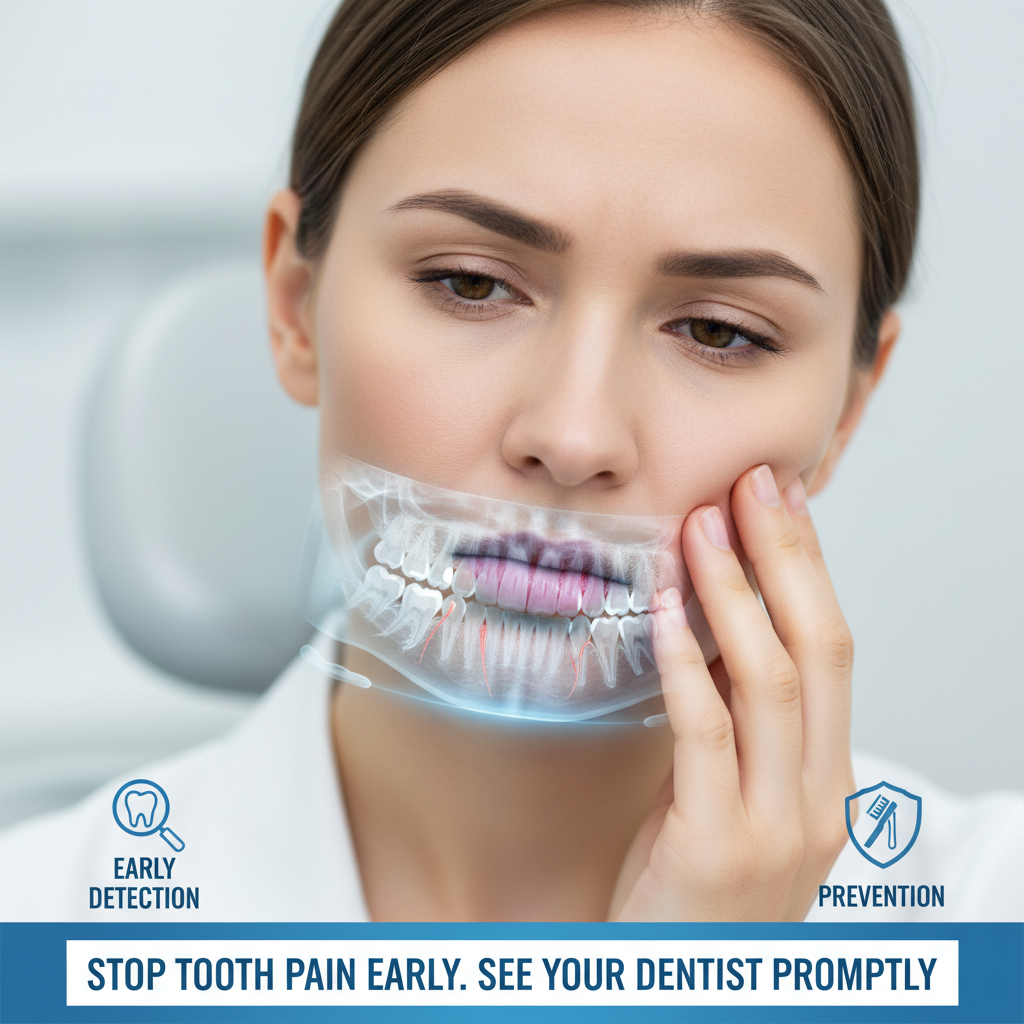
When you ask yourself, “why do my teeth hurt randomly,” it can be unsettling, especially if you do not see any obvious problem in the mirror. Sudden or on and off tooth pain can be related to something as simple as sensitivity or as serious as an infection. Understanding what different types of pain mean helps you decide what you can manage at home and when you need a dentist to step in.
To protect your oral health, it is important to pay attention to how the pain feels, what triggers it, and how long it lasts. Below, you will learn the most common reasons your teeth hurt randomly, what each one feels like, and the next steps you should take.
One of the first distinctions you need to make is whether you are dealing with tooth sensitivity or a true toothache. They feel different and usually point to different problems.
Tooth sensitivity typically causes brief, sharp pain when your teeth are exposed to cold, hot, sweet, or acidic foods and drinks, or even cold air. This happens when the protective enamel wears down or the gums recede, exposing the underlying dentin layer and its tiny tubules that connect to the nerve of the tooth [1]. The discomfort usually stops as soon as the stimulus is removed, which means the pain is short and fleeting, not lingering for hours.
A true toothache usually feels different. Tooth pain related to a deeper problem is often dull, throbbing, or constant. It may worsen over time and can be triggered by chewing, biting, or temperature changes. This type of pain often indicates that the nerve and blood vessels inside the tooth, called the pulp, are irritated or damaged and may need professional treatment [2].
To recap in simple terms:
If you are not sure which one fits you, pay attention to patterns for a few days, but do not ignore worsening or constant pain. If your pain is persistent, keeps you from sleeping, or is getting stronger, you should see a dentist promptly.
For a deeper look at sensitivity itself, you can read more about tooth sensitivity causes and treatment.
If you find yourself asking, “why do my teeth hurt randomly, especially with cold drinks or sweets,” your tooth enamel may be wearing away. Enamel is the hard outer shell that protects your teeth. When it thins, the inner dentin becomes exposed, and your teeth become more vulnerable to temperature changes and certain foods [3].
Common causes of enamel erosion include frequent consumption of acidic drinks, such as soda and sports drinks, acid reflux, dry mouth, aggressive brushing, and certain medical conditions. Over time, this erosion can lead to sensitivity and even visible changes like rounded edges or a yellowish tint as the dentin shows through. Schein Dental notes that enamel wear is a leading cause of tooth sensitivity and sudden sharp pain with hot, cold, sweet, or acidic foods [1].
You should not ignore enamel erosion because enamel does not grow back once it is lost. However, you can slow or stop further damage and protect what you have left. Using a soft toothbrush, brushing with a fluoride toothpaste, limiting acidic drinks, and avoiding brushing immediately after acid exposure are key steps. You can explore this topic in more detail in our guide on what is enamel erosion teeth.
If your pain is mostly short, sharp, and tied to temperature or sweets, schedule a dental visit, but you can usually wait a short time. If the pain starts to linger or becomes constant, your tooth may have progressed beyond simple erosion into decay.
Tooth decay is one of the most common reasons your teeth hurt randomly. In the earliest stages, you may not notice anything at all. As the cavity deepens toward the pulp, decay can start to trigger sharp pain when you bite down or when food and drinks hit a certain area [4].
As the decay progresses, you may feel:
Eventually, if the cavity is not treated, the bacteria and their acids can reach the nerve, and that is when you may experience a deep, throbbing ache that is hard to ignore. At that point, you are moving toward infection. The Cleveland Clinic notes that toothaches from cavities tend to persist or come and go without full relief until you receive professional treatment [5].
Catching decay early is always easier and less costly than waiting until you are in severe pain. To better recognize trouble spots early, review the signs of cavities early stage and our guide on how to prevent tooth decay naturally.
If you suspect a cavity because you see a dark spot, feel a hole with your tongue, or have pain when biting, you should book a dental appointment soon. Do not wait for constant pain before you seek help.
You might wonder why your teeth hurt randomly when the pain actually comes from your gums. Gum problems are a very common source of discomfort and can make your teeth feel sore, loose, or achy even in the absence of visible cavities.
Early gum disease, or gingivitis, can cause redness, swelling, tenderness, and bleeding when you brush or floss. If it progresses to periodontitis, you may notice bad breath, gum recession, and a feeling of pressure or dull pain around certain teeth [6]. The gums and supporting bone hold your teeth in place, so inflammation here can feel like tooth pain.
Random tooth pain without obvious decay can also come from:
If your gums bleed regularly, feel tender, or look puffy or receded, it is important to address this early. You can learn more in our guide on how to know if you have gum disease and explore bleeding gums when brushing causes.
If the gum soreness does not improve in a couple of days, or if you notice pus, significant swelling, or a bad taste in your mouth, you should contact a dentist promptly. Gum infections can spread and may be linked to broader health issues if left untreated [7].
Another reason your teeth hurt randomly, especially to cold air or touch, is receding gums. When the gum tissue pulls away from the tooth, it exposes the root surface. Unlike enamel, the root is covered by a softer material that wears away more easily and contains more direct pathways to the nerve, which makes it very sensitive.
Gum recession can be caused by overbrushing, clenching or grinding, gum disease, or simply aging. Healthline notes that gum recession is a frequent cause of sudden increased tooth sensitivity and can make your teeth more vulnerable to disease and infection [4].
You may notice:
Because receding gums expose sensitive root surfaces, they can contribute heavily to random tooth pain without a cavity present. Addressing the cause early is important to protect both your teeth and your gums. To explore this in detail, see our article on what causes receding gums.
If your recession seems to be progressing, or if sensitivity is interfering with eating or drinking, you should book an evaluation. Your dentist can recommend professional treatments, protective coatings, or changes in your home care routine.
Sometimes, your teeth hurt randomly because of damage you cannot easily see. A tiny crack or chip can allow temperature changes, pressure, and bacteria to reach the inner layers of the tooth. This often leads to sharp pain when you bite down or when you release your bite, especially on hard or crunchy foods.
A cracked tooth may cause:
Colgate notes that sharp pain when biting down can be a sign of a cracked tooth, while persistent throbbing pain can indicate an abscess or infection that needs prompt care [3]. The Sugar Land Dentist also points out that cracked or fractured teeth may not show up easily on routine exams, but they can cause pain that comes and goes and tends to worsen over time if ignored [6].
If you suspect a crack because the pain is clearly tied to biting on one tooth, you should contact your dentist soon. Prompt treatment can sometimes save the tooth and prevent infection. Waiting can allow bacteria to enter through the crack and create a more serious problem.
One of the more serious answers to “why do my teeth hurt randomly” is infection inside the tooth or the surrounding tissues. Tooth infections usually begin with untreated cavities, cracks, or deep gum pockets that let bacteria reach the pulp. As infection develops, you can experience intense, persistent pain, and sometimes swelling, fever, or a bad taste in your mouth.
Penn Dental Medicine explains that random tooth pain can be a sign of an underlying tooth infection that starts with decay, and that cracks or chips can increase the risk by letting bacteria in [8]. As the infection progresses, a pocket of pus called an abscess can form. This may cause severe, throbbing pain that can radiate to the ear, jaw, or neck [9].
Key signs of a possible infection or abscess include:
An abscessed tooth will not heal on its own. Pain might even temporarily improve if the pulp inside the tooth dies, but the infection can continue to spread to bone and neighboring teeth and in rare cases to other parts of the body [9]. This is why you should never ignore signs of infection.
If you suspect an abscess or infection, you should see a dentist urgently. While waiting for care, warm saltwater rinses and over the counter pain relievers can help reduce discomfort, but they do not treat the infection itself [9]. For more warning signs, review our guide to the symptoms of tooth infection.
You should seek emergency care right away if you have severe tooth pain with fever and chills, trouble breathing or swallowing, or rapidly spreading facial swelling. The Cleveland Clinic notes that mouth infections can rarely spread to the brain and bloodstream, so timely care is critical [5].
Sometimes your teeth hurt randomly, but the problem is not in your teeth at all. Sinus infections and sinus congestion can cause pressure and pain in your upper teeth, especially the molars, because the roots of these teeth sit close to the sinus cavities.
Healthline explains that inflamed sinuses can put pressure on the nerve endings of the teeth, which leads to tooth pain that is actually sinus related and not due to a dental issue [4]. Colgate also notes that persistent tooth pain without a cavity can be linked to sinus infections, especially when paired with nasal congestion and tenderness over the sinuses [3].
You may suspect sinus related tooth pain if:
In many cases, treating the sinus issue improves the tooth discomfort. However, if tooth pain persists after your sinus symptoms clear, you should still see a dentist to check for a true dental cause.
If you wake up wondering why your teeth hurt randomly, especially in the morning, grinding or clenching your teeth may be the reason. This habit, known as bruxism, often happens during sleep, which means you might not realize you are doing it. Over time, the excess pressure can wear down enamel, strain the jaw joints, and inflame the supporting tissues.
The Sugar Land Dentist notes that teeth grinding and jaw clenching can cause tooth pain, jaw soreness, headaches, and sensitivity that might be mistaken for dental problems like cavities [6]. Jaw joint problems, often called temporomandibular disorders, can also create pain that feels like it is in your teeth, even when the teeth are healthy [3].
You may be dealing with bruxism or TMJ issues if you notice:
If this sounds familiar, a dental evaluation can confirm whether grinding is contributing to your pain. A custom night guard, stress management strategies, and, in some cases, adjustments to your bite can help protect your teeth and relieve symptoms.
Not every brief twinge means an emergency, but you should not ignore repeated or worsening tooth pain. A survey cited by Healthline reported that 22 percent of adults experienced pain in their teeth, gums, or jaw within the last six months, which shows how common these issues are [4]. The key is knowing when to monitor and when to seek care.
You can usually monitor briefly at home if:
Short term self care can include:
You should schedule a dental visit soon if:
You should seek urgent or emergency care if:
Random tooth pain is your body’s way of telling you that something needs attention. Ignoring it and waiting for a crisis can lead to more complicated treatment and higher costs. Penn Dental Medicine emphasizes that preventive visits that catch pain causing problems early are usually less expensive than emergency treatments after you wait too long [7].
While you cannot control every cause of tooth pain, you can significantly reduce your risk by focusing on prevention and early detection. Good daily habits and regular checkups catch issues while they are still minor and easier to treat.
Key steps include:
Proper oral hygiene, along with consistent professional care, helps prevent tooth decay, gum disease, and infections that cause random tooth pain [8]. If you would like a broader overview of subtle issues to watch for, explore our guide on early warning signs dental problems.
If you are currently dealing with random tooth pain or sensitivity, consider this your sign to take action instead of waiting for it to become an emergency. A timely dental evaluation can identify the true cause and give you a clear plan to relieve your discomfort and protect your smile.