
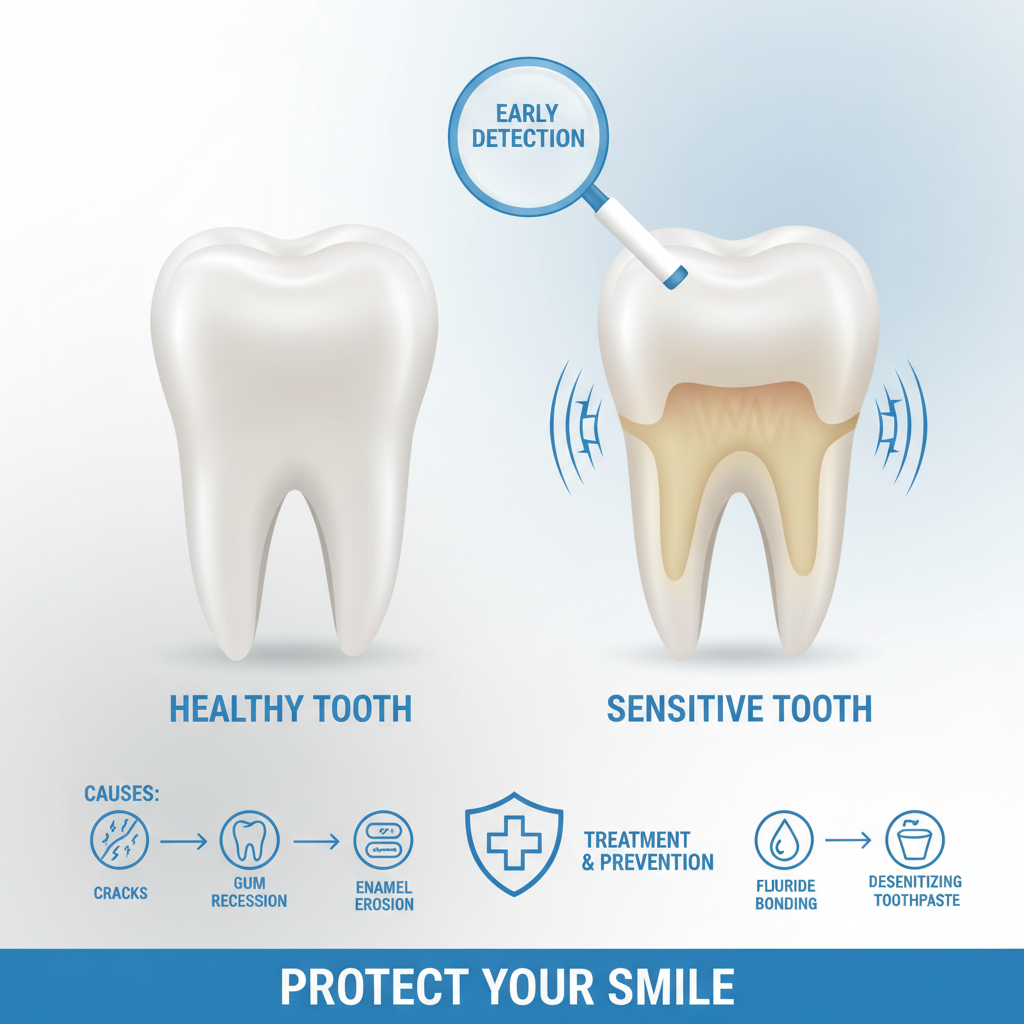
What tooth sensitivity really is
If you feel a sharp twinge when you sip hot coffee, drink ice water, or bite into something sweet, you are most likely dealing with tooth sensitivity. Understanding tooth sensitivity causes and treatment helps you protect your teeth before the problem becomes more serious.
Tooth sensitivity, also called dentin hypersensitivity, happens when the protective outer layers of your teeth are compromised and sensation can reach the inner nerve. When enamel wears away or gums recede, the underlying dentin is exposed. Dentin contains microscopic tubules that connect directly to the tooth nerves, so hot, cold, sweet, or acidic foods can trigger sudden pain or discomfort [1].
This pain is usually sharp and brief, although in some cases it can linger. You might notice it when:
- Drinking hot or cold beverages
- Eating sugary or acidic foods
- Brushing or flossing
- Breathing in cold air
If sensitivity is new, worsening, or affecting daily life, it is important to figure out why it is happening and what you can do about it.
Common tooth sensitivity causes
Tooth sensitivity rarely appears out of nowhere. Most of the time, it is a sign that something has changed in your teeth or gums. Often, it is related to other common dental issues such as cavities, gum disease, or enamel erosion.
Worn or eroded enamel
Enamel is the hard outer shell that protects your teeth. Once it wears away, it does not grow back. When enamel becomes thin or damaged, dentin underneath is exposed, which allows hot, cold, or sweet sensations to reach the tooth nerve.
Enamel can wear down due to:
- Frequent consumption of acidic drinks such as lemon or orange juice and carbonated soft drinks, including diet soda [2]
- Acid reflux or frequent vomiting
- Aggressive brushing with a hard toothbrush
- Habitually chewing on hard objects such as ice
If you are wondering what is happening to your enamel, learning more about what is enamel erosion teeth can help you recognize early warning signs and respond sooner.
Gum recession and gum disease
Healthy gums cover and protect the sensitive root surfaces of your teeth. When gums recede, the roots become exposed. Roots are not covered by enamel, so they are very sensitive to temperature and touch.
Gum recession can be caused by:
- Gum disease
- Brushing too hard
- Clenching or grinding
- Aging and genetics
If you notice your teeth look longer, your gums look uneven, or you have bleeding when brushing, these can be signs of gum problems. You can explore how to know if you have gum disease and bleeding gums when brushing causes to better understand what might be happening.
Since gum health and sensitivity are closely linked, understanding what causes receding gums is an important step in preventing future discomfort.
Cavities, decay, and exposed dentin
A cavity is a permanent hole in the tooth that develops when bacteria break down enamel. In the early stages, you might only notice mild sensitivity to sweets, cold, or pressure. As the cavity reaches deeper layers of the tooth, sensitivity becomes more frequent and more painful.
If tooth decay is not treated, the opening allows stimuli to reach the dentin and eventually the nerve, which increases the risk of severe pain and infection [1]. Paying attention to signs of cavities early stage can help you address problems before they advance.
If you prefer to focus on prevention, practical habits such as diet changes, fluoride use, and good home care can significantly reduce decay risk. You can read more about this in how to prevent tooth decay naturally.
Cracked, chipped, or damaged teeth
A crack, chip, or fracture can open a direct pathway to the inner layers of the tooth. Sometimes the damage is obvious, for example after biting down on something very hard. Other times, microscopic cracks develop slowly.
Tooth sensitivity occurs when a nerve is exposed due to a cracked tooth or tiny openings in the tooth structure, called tubules, that connect directly to the nerves. This exposure can make eating or drinking painful [2].
Chewing ice is a particularly risky habit. The hard, cold surface can damage enamel and lead to chipped or broken teeth, which is especially problematic if you already have sensitive teeth [2].
Recent dental work or whitening
Some sensitivity after dental procedures is common and usually temporary. Deep cleanings, fillings, crowns, and teeth whitening can all irritate the tooth or gums for a short period.
This type of sensitivity often improves over a few days to a couple of weeks as the tooth settles. If it lasts longer or gets worse, it can mean there is an underlying problem that needs attention.
Teeth grinding and clenching
Grinding or clenching your teeth, often during sleep, can wear away enamel and stress the tooth structure. Over time, this can expose dentin, lead to tiny cracks, and trigger sensitivity.
You might notice signs such as flat or worn tooth edges, jaw soreness, or frequent morning headaches. If sensitivity is combined with these symptoms, bruxism (grinding) may be involved.
Tooth infection or advanced problems
If sensitivity becomes severe, lingers after the trigger is gone, or is accompanied by swelling or throbbing pain, an infection may be developing inside the tooth.
In these cases, sensitivity is only one of several warning signs. Reviewing the symptoms of tooth infection can help you decide if you need urgent evaluation.
When sensitivity is left untreated, it can progress into more serious dental problems such as deep decay, gum disease, or abscesses [1].
Everyday triggers that make sensitivity worse
Even if the underlying cause develops slowly, daily habits and food choices play a big role in how intense your sensitivity feels.
Hot, cold, sweet, and acidic foods
Tooth sensitivity is often triggered by exposure to hot or cold foods, sugar rich diets, and acidic foods. Many people notice discomfort with items like cold ice cream or hot coffee [3].
Some common triggers include:
- Ice water, ice cream, popsicles, and frozen drinks
- Hot tea, coffee, or soup
- Sugary snacks and desserts
- Citrus fruits and juices
- Soda and energy drinks
Ice cream is a particularly tough combination for sensitive teeth. The extreme cold and high sugar content can both promote decay and provoke dentin hypersensitivity [3].
Candy, sweets, and sticky foods
Both hard sweets, such as peppermints, and chewy candies, such as gummy bears, can aggravate tooth sensitivity. Hard sweets can chip or crack teeth if you bite them aggressively, while chewy candy often gets stuck in cavities or under the gums and causes prolonged discomfort [2].
Candies, including hard, sour, and gummy types, also contain high amounts of sugar that contribute to tooth decay. It is a good idea to consume these sparingly and rinse with water after you eat them [3].
Alcoholic and acidic drinks
Many alcoholic drinks combine sugar and acid. Beer, liquor, and especially wine can increase tooth sensitivity because of their sugar content and acidity. Wine is particularly acidic, which can irritate sensitive teeth and contribute to enamel erosion [3].
If you choose these beverages, drinking water alongside them and not swishing them around your mouth can reduce contact time with your teeth.
Habits that irritate teeth and gums
Some daily routines increase sensitivity risk without you realizing it:
- Using a medium or hard bristled toothbrush
- Brushing with excessive force
- Chewing ice or other hard objects
- Constant snacking on sugary or acidic foods
Using a soft bristled toothbrush and a toothpaste for sensitive teeth can help protect enamel and lessen discomfort over time [2]. Mouthwashes designed for sensitivity relief can also provide 24 hour protection when used as directed [3].
Home care and lifestyle treatments
For mild to moderate sensitivity without signs of infection or severe pain, you can often start with simple home care steps. These measures focus on protecting enamel, calming the nerve, and reducing irritation.
Desensitizing toothpastes
Desensitizing toothpastes are one of the most effective at home treatments for sensitive teeth. Many of these products contain:
- Potassium nitrate, which helps calm the nerves inside the tooth and block transmission of pain signals. With regular use, it builds a protective effect over time [4].
- Stannous fluoride or sodium fluoride, which strengthen enamel and help prevent decay. Stannous fluoride can also reduce plaque and gingivitis, which indirectly lowers sensitivity risk [4].
Toothpastes formulated for sensitive teeth work by sealing the pores of exposed dentin and blocking the pathways that usually cause sensitivity and pain [5].
Some products also include low abrasive whitening ingredients such as baking soda, which can provide gentle whitening while still helping with sensitivity relief [5].
Fluoride, remineralizing agents, and specialty ingredients
Beyond standard fluoride and potassium nitrate, some formulations use bioactive agents such as Novamin or synthetic hydroxyapatite. These ingredients support remineralization and repair of damaged enamel and dentin by forming a protective layer over sensitive areas [4].
Strontium chloride is another ingredient that can reduce sensitivity by blocking microscopic dentin tubules and preventing hot or cold stimuli from reaching the nerves [4].
Mouthwash and gentle hygiene habits
For daily care, dentists often recommend:
- Brushing twice daily with a soft bristled toothbrush and gentle circular motions
- Flossing once a day
- Using a mouthwash formulated for sensitive teeth when appropriate
Using a mouthwash designed for dentin hypersensitivity can provide ongoing relief when combined with a soft brush and proper toothpaste [3].
These habits also help protect your gums, which lowers the risk of recession and root exposure that can trigger sensitivity.
Home remedies and comfort strategies
Some people find additional relief with simple home remedies that support oral health, such as:
- Warm saltwater rinses to reduce inflammation and bacteria
- Oil pulling with coconut oil to help lower bacterial levels and plaque
- Careful use of clove oil for short term soothing due to its natural anesthetic properties
These approaches may provide temporary comfort but should not replace professional evaluation if sensitivity is persistent or severe [6].
To reduce triggers, you can also:
- Limit very hot or very cold foods and drinks
- Reduce sugary and acidic snacks
- Avoid chewing ice or very hard foods
- Drink water after acidic or sugary items to help rinse your teeth
Professional treatments your dentist may recommend
When home care is not enough or when an underlying problem is present, professional evaluation is essential. Treatments for tooth sensitivity depend on the cause, severity, and how long the issue has been going on [7].
Addressing decay, cracks, and structural problems
If a cavity, crack, or worn filling is the source of your sensitivity, your dentist will likely start by restoring the tooth. Depending on the situation, this could involve:
- Dental fillings to repair cavities and seal exposed dentin
- Crowns to cover and protect heavily damaged teeth
- Replacement of old or failing restorations
These treatments remove decayed or weakened material and create a protective barrier between the nerve and the outside environment.
Treating gum recession and gum disease
When gum recession or gum disease is involved, treatment focuses on reducing inflammation and reestablishing healthier gum coverage. This can include:
- Professional cleanings and deep cleanings
- Scaling and root planing to remove tartar below the gumline
- Instructions on improved home care
- In some cases, gum grafting procedures to cover exposed roots
Because gum disease and recession are common sources of sensitivity, learning to spot early warning signs dental problems can help you seek help before significant damage occurs.
In office desensitizing treatments
For some patients, dentists apply specialized desensitizing agents directly to sensitive areas. These may contain high concentrations of fluoride or other compounds that seal dentin tubules and strengthen the tooth surface.
Repeated applications over time can significantly reduce sensitivity, especially when combined with at home desensitizing toothpaste.
Root canal therapy for severe cases
If the nerve inside the tooth is badly inflamed or infected, there may be constant or intense pain instead of brief sensitivity. In these situations, root canal therapy may be recommended. This treatment removes the damaged nerve tissue, disinfects the canal, and seals the space, which eliminates the source of pain while preserving the tooth.
Treatments are chosen based on a careful diagnosis of the underlying cause. Your dentist can discuss the pros and cons of each option and help you choose the most appropriate plan for your situation [7].
When tooth sensitivity is a warning sign
Occasional mild sensitivity to hot or cold might not be an emergency, especially if it is short lived and not connected to chewing. However, persistent or severe sensitivity can signal a more serious problem.
You should schedule a dental visit if:
- Sensitivity lasts for more than a week or two despite improved home care [8]
- Pain interferes with eating, drinking, or daily activities
- Sensitivity occurs along with other issues such as visible cracks, swelling, gum disease, or deep cavities [8]
In many cases, persistent sensitivity indicates underlying conditions such as tooth decay, enamel erosion, or gum recession that require professional treatment [9].
If you ever notice throbbing pain, swelling, or fever along with sensitivity, check for other symptoms of tooth infection and contact a dentist promptly.
Sensitive teeth are common, but they are not something you should ignore. Early diagnosis and care help prevent more serious dental problems and more complex procedures later on [1].
How to prevent tooth sensitivity
Preventing tooth sensitivity focuses on protecting enamel, keeping gums healthy, and addressing problems early.
Daily habits that protect your teeth
You can lower your risk of developing sensitivity by:
- Brushing twice daily with a soft bristled toothbrush and fluoride or desensitizing toothpaste
- Using gentle, circular motions instead of scrubbing back and forth
- Flossing once a day to prevent gum inflammation and recession
- Limiting acidic drinks and sugary snacks that erode enamel and feed decay
- Drinking water after acidic or sugary foods to help rinse the teeth
Consistent hygiene protects both enamel and gum health, which is essential for long term comfort [1].
Protecting against grinding and mechanical wear
If you clench or grind your teeth, especially at night, ask your dentist if a nightguard is appropriate. This can reduce the pressure on enamel and prevent cracks or wear that lead to sensitivity.
Avoid chewing ice or using your teeth as tools to open packages or bottles. These habits can damage enamel and increase your risk of chips and fractures.
Seeing your dentist regularly
Regular dental checkups and cleanings help identify enamel wear, early cavities, and gum problems before you feel significant sensitivity. If you are unsure what to watch for, reading about early warning signs dental problems and why do my teeth hurt randomly can guide you in tracking symptoms between visits.
Dentists can also recommend preventive treatments such as:
- Topical fluoride applications
- Sealants in selected cases
- Professional desensitizing agents
By combining professional care with healthy daily habits, you can lower your risk of sensitivity and other oral health issues over time.
Understanding tooth sensitivity causes and treatment puts you in a stronger position to protect your oral health. Sensitivity is not just a minor annoyance. It is often an early signal that enamel, gums, or the inner parts of the tooth need attention.
If you are experiencing ongoing sensitivity, especially alongside other changes in your teeth or gums, a professional evaluation is the safest way to find the cause and choose the right treatment. With the right combination of home care, dietary choices, and timely dental care, you can reduce discomfort and enjoy your favorite foods and drinks with more confidence.


