
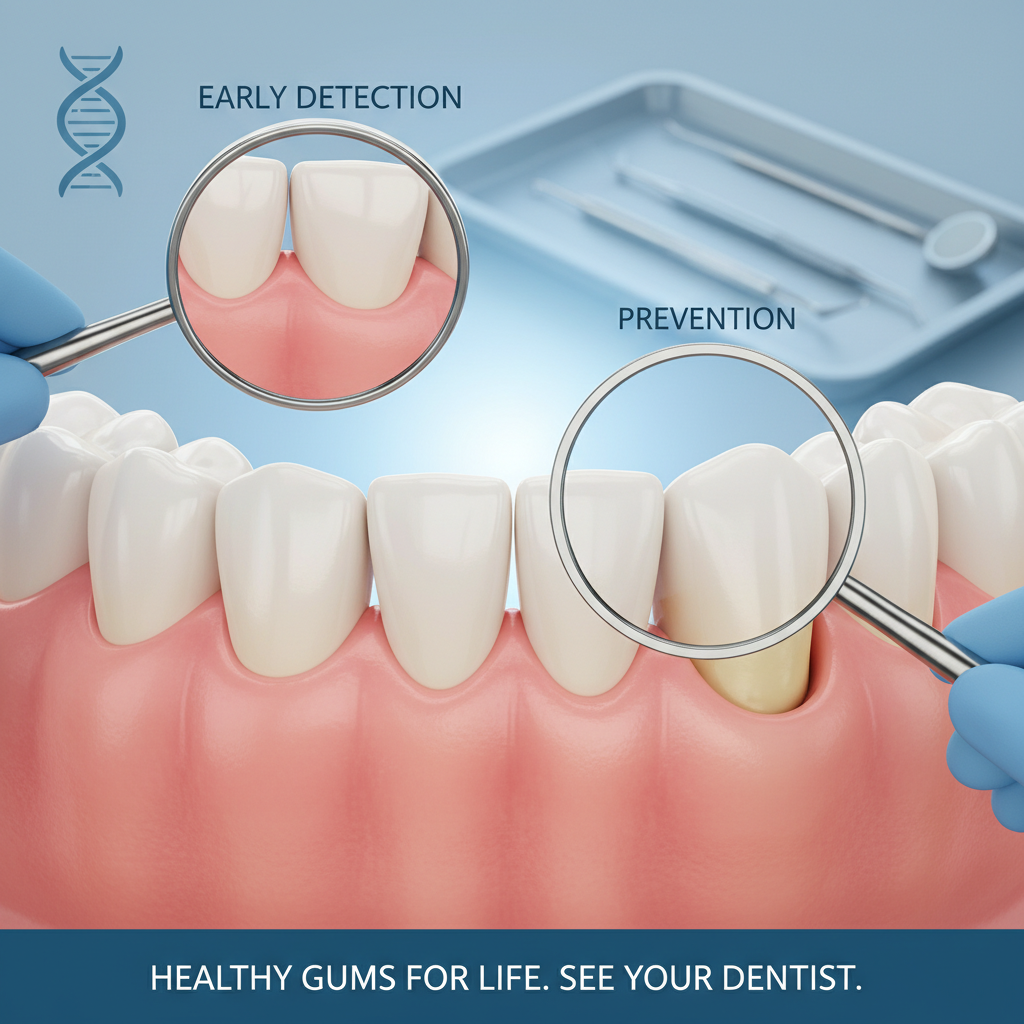
If you are wondering what causes receding gums, you are not alone. Gum recession happens when the gum tissue pulls away or wears down around your teeth, exposing more of the tooth and sometimes the root underneath. This can lead to tooth sensitivity, a higher risk of cavities on the roots, and even tooth loss if it is not treated in time [1].
You cannot regrow gum tissue once it has receded, but you can slow or stop the process with the right care. Understanding the main causes helps you protect your gums, recognize early warning signs, and know when it is time to see a dentist.
Gum recession is usually a gradual process. In the early stages, you may not feel pain, which is why it often goes unnoticed. Over time, the gum margin, the edge of the gum around your teeth, moves down the tooth surface. Dentists call this the apical migration of the gingival margin, and it exposes the root surface and dentin [2].
Once the roots are exposed, you are more likely to experience root cavities, hypersensitivity, and periodontal problems. Because recession can affect people with both good and poor oral hygiene, you cannot rely on brushing alone to protect you. Regular exams and knowing what to look for are key.
The most common medical cause of receding gums is gum disease, also called periodontal disease. It starts when bacteria on your teeth form plaque, a sticky film that can harden into tartar under the gumline. This triggers early gum disease called gingivitis, which can progress to periodontitis if it is not treated [3].
In periodontitis, the gums pull away from the teeth and form infected pockets. The bone and ligaments that hold your teeth in place begin to break down, and your gums recede as the supporting structures are lost [3]. This destructive inflammation is a leading cause of gum recession [4].
You might notice several early symptoms before severe recession appears. These can include:
If you are seeing these changes, it is worth learning more about how to know if you have gum disease so you can address the problem early. Prompt treatment, such as professional cleanings and scaling and root planing, can help stop gum disease from progressing and limit further recession [5].
When you do not remove plaque regularly, it sits on and between your teeth and along the gumline. Over time, this buildup irritates the gums, leads to gingivitis, and increases your risk of periodontitis and gum recession [6].
Plaque and tartar below the gumline make it easier for bacteria to invade the tissues and bone supporting your teeth. As that support is lost, the gums follow and recede. This is why daily brushing, cleaning between teeth, and regular professional cleanings are so important when you want to prevent gum recession and other issues like cavities and enamel wear.
Good home care also helps reduce the risk of related problems such as signs of cavities early stage and how to prevent tooth decay naturally.
You need to brush thoroughly, but brushing too hard can damage your gums. Using excessive force or a hard bristled toothbrush can wear away the soft gum tissue and cause the gumline to pull back over time [7]. Horizontal scrubbing techniques and long term aggressive brushing have been linked with higher levels of recession in observational studies [2].
Gum recession from brushing too hard can lead to tooth sensitivity, root decay, and even tooth loss if it is not corrected [7]. A typical example is someone who uses a firm brush and strong pressure for years, then notices notched areas near the gumline and increasing sensitivity to hot and cold. When they switch to a soft brush and gentle circular motions, sensitivity and further recession often improve or stabilize [7].
Interestingly, a three year randomized trial found that manual and oscillating power brushes did not increase recession. In fact, both groups showed a reduction in recession, probably because participants improved their brushing behavior when they were observed [2]. This suggests that how you brush matters more than which brush you choose.
If you notice visible wear near the gumline, tooth sensitivity, or gums that appear to be dipping downward, your brushing technique might be part of the problem [7].
Smoking and other forms of tobacco are major risk factors for both gum disease and receding gums. Tobacco use increases plaque buildup on your teeth and interferes with blood flow to your gums, which weakens the tissue and makes it harder for your mouth to heal from everyday irritation [4].
The Centers for Disease Control and Prevention notes that smoking is a significant cause of severe gum disease in the United States because it weakens your immune system and makes it harder to fight infection and heal after damage [3]. Any form of tobacco, including cigarettes, pipes, and smokeless tobacco, raises your risk of gum disease and therefore recession [3].
Smoking also exposes your gums to toxic chemicals that stick to teeth and gum tissue, form tartar, and erode the gumline over time. Tobacco reduces saliva flow and deprives the gums of minerals they need, which makes them more vulnerable to infections that cause recession [8]. Nicotine in particular is linked to gum tissue deterioration and a higher likelihood of receding gums [8].
Quitting tobacco, or even reducing use, is one of the most powerful steps you can take to protect your gums and help your mouth respond better to treatment.
Tobacco weakens your gums on two fronts. It increases plaque and tartar along the gumline and also reduces your body’s ability to heal and fight infection. Over time, that combination makes noticeable gum recession much more likely.
Not all gum recession is the result of poor habits. Genetics can play a real role. Up to 30 percent of people may be genetically predisposed to gum disease because of gene variations that affect how the immune system responds to oral bacteria [5]. Some people naturally have thinner gum tissue, which is more likely to recede even with good oral care [9].
If your parents or grandparents had gum disease or early tooth loss, you might be more likely to develop similar problems, even if you brush and floss regularly [10]. A 2019 study cited by Hawthorn Woods Family Dental Care found that people with a family history of gum disease were twice as likely to develop the disease when they also had poor oral hygiene, which highlights how genetics and lifestyle interact [5].
If you know gum disease runs in your family, it is important to focus on prevention and regular checkups so that any early gum changes are detected quickly.
Hormonal shifts can affect your gums and make them more sensitive to plaque and irritation. Changes in female hormone levels, such as during pregnancy, menstruation, or menopause, can increase the risk of developing receding gums by making the gum tissue more reactive and prone to inflammation [10].
Other medical conditions also influence your gum health. Diabetes, chronic stress, poor diet, and certain medications can all contribute to gum disease and recession by affecting blood flow, immune response, and how your mouth handles bacteria [5].
If you have a systemic condition or are taking long term medications, your dentist and physician can work together to adjust your care plan so that your gum health is monitored closely.
Gum recession becomes more common as you age. The Cleveland Clinic notes that about 88 percent of people over 65 have recession on at least one tooth [1]. Years of minor irritation from plaque, brushing, and normal function gradually add up.
Your tooth position also matters. Research has shown that canines and first premolars, especially in the lower jaw, are more likely to show recession progression, and mandibular teeth in general carry higher risk than upper teeth [2]. Teeth that are crowded, rotated, or sit outside the arch may have thinner bone and gum coverage, so they are more prone to recession when exposed to everyday stress.
Beyond brushing and tobacco, other everyday habits and lifestyle choices can contribute to receding gums:
Many of these issues can be addressed with simple changes, such as wearing a nightguard for grinding, adjusting your diet, or updating older dental work.
Because gum recession is often painless at first, paying attention to subtle changes is important. You might notice:
If you are experiencing sensitivity, especially near the gumline, learning more about tooth sensitivity causes and treatment can help you understand what is normal and what needs attention. When sensitivity seems to come and go or your teeth hurt for no clear reason, you can also review why do my teeth hurt randomly to see how gum issues might be involved.
Bleeding when brushing is another common sign of gum irritation. While it may seem minor, persistent bleeding can point to underlying disease or early recession, so it is worth exploring common bleeding gums when brushing causes.
Receding gums do more than change how your smile looks. Once the roots are exposed, they do not have the same hard enamel covering as the crowns of your teeth, so they are more at risk for decay and wear. This can lead to root cavities, ongoing sensitivity, and in severe cases, infection that may require advanced treatment or extraction [6].
Recession also often appears alongside other issues like what is enamel erosion teeth, early cavities, or even deep infections. Knowing the symptoms of tooth infection and other early warning signs dental problems helps you catch combinations of problems before they become more complex or painful to treat.
Untreated gum disease and recession can ultimately cause teeth to become loose or fall out [3]. That is why early detection and intervention are so important.
You cannot reverse recession that has already happened, but you can often slow or stop it from getting worse. In many cases, you can also improve comfort and protect the exposed root surfaces. Key strategies include:
When brushing technique is the problem, brushing smarter, not less, is the goal. Switching to a soft brush, reducing pressure, and focusing on technique can often prevent the need for more advanced treatments like gum grafting later on [7].
If gum disease is present, your dentist might recommend deep cleanings to remove tartar below the gumline, local medications, or other periodontal therapies. In more advanced cases, grafting or regenerative procedures can help cover exposed roots and strengthen the remaining tissue.
You should schedule an exam if you notice:
A dentist will measure your gum levels, check for pockets and bone loss, and review your medical and family history to identify what is causing your recession. Because receding gums cannot grow back once damaged, early detection and treatment are critical to prevent progression [11].
Understanding what causes receding gums gives you a real opportunity to protect your smile. With the right daily habits, awareness of your personal risk factors, and regular professional care, you can significantly reduce your chances of serious gum recession and the dental problems that often come with it.