
If you’re facing bone loss or persistent gum disease in the Charlotte area, understanding your insurance coverage is crucial. You want to know what dental bone graft and gum disease coverage your plan offers so you can restore oral health without unexpected costs. Coverage varies by provider and policy, but you generally have two pathways: private dental insurance or state-administered Medicaid programs.
Almost half of all U.S. adults have some form of gum disease, making periodontal care one of the most common dental needs (Cleveland Clinic). When periodontitis progresses, bone loss can jeopardize tooth stability. That’s where bone graft procedures come in—globally, providers place about 2.2 million grafts every year to rebuild jawbone and support future restorations (Cleveland Clinic).
Your private plan may cover preventive services like routine cleanings at 100 percent, basic periodontal care at 70–80 percent after deductible, and major procedures (gum surgery or bone grafting) at 50–60 percent. Alternatively, Medicaid programs often include deep-cleaning and limited periodontal services, especially for low-income seniors and adults. If you qualify for Medicaid, you can find a gum recession treatment with Medicaid provider in Charlotte to manage advanced cases.
In this guide, you’ll explore causes and treatment options, review private and Medicaid coverage for periodontal and denture services, learn cost factors and filing tips, and discover how to maximize your benefits for lasting oral health.
Understanding why gum disease develops and how bone grafts work helps you navigate your coverage. You’ll see which procedures are likely to be covered and why early intervention matters.
Gum disease, or periodontal disease, begins when plaque—an invisible film of bacteria—accumulates along your gum line. If not removed through daily brushing, flossing, and professional cleanings, plaque hardens into tartar and triggers inflammation. Early-stage gum disease (gingivitis) is reversible with good oral hygiene and regular deep cleanings. Left untreated, it can progress to periodontitis, where the supporting bone and connective tissue break down, leading to tooth mobility or loss.
Risk factors for periodontal disease include:
Reversing gingivitis often involves scaling and root planing. Many plans support preventive care—learn how to protect your gums with gum disease prevention with insurance coverage.
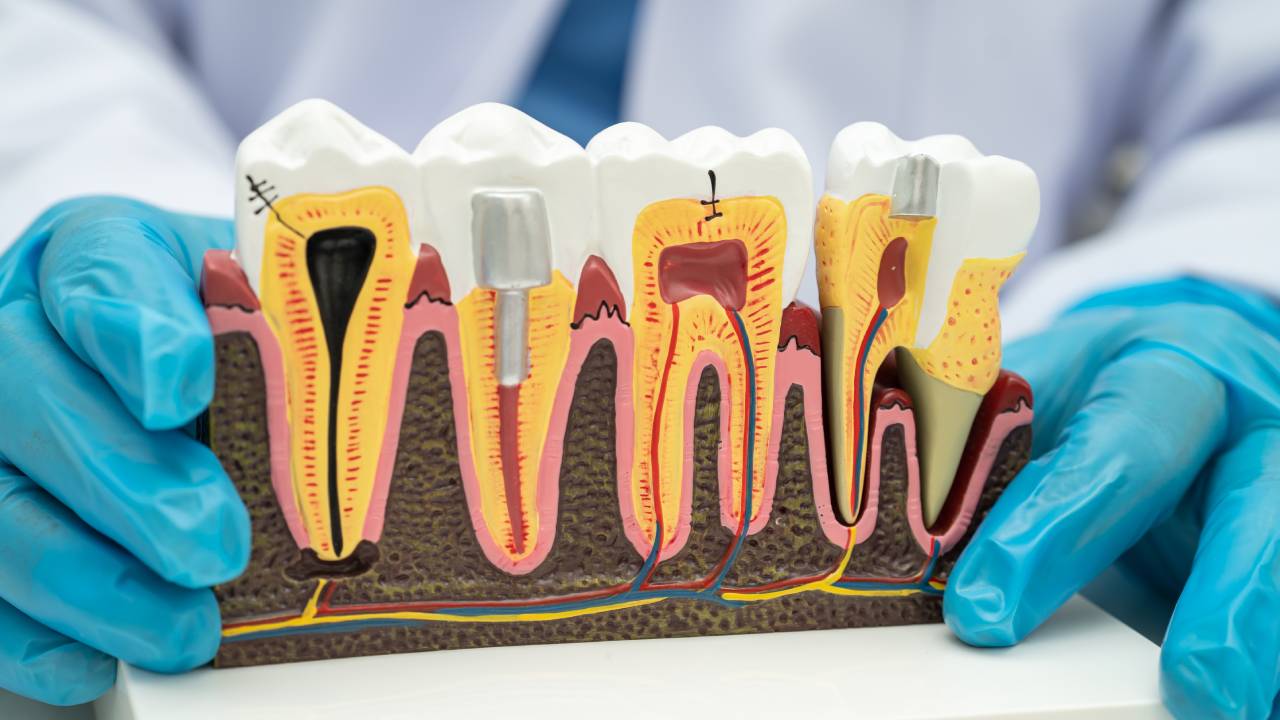
When bone deterioration compromises tooth support or implant placement, your dentist or periodontist may recommend a bone graft. This procedure rebuilds and strengthens the jawbone to support restorative treatments. Common graft types include:
| Graft type | Source | Benefits | Considerations |
|---|---|---|---|
| Autograft | Your own bone | High success, no rejection | Requires donor site surgery |
| Allograft | Donor tissue | No extra surgery, effective | Slight infection risk |
| Xenograft | Animal-derived | Widely available | Longer integration time |
| Alloplast | Synthetic | Consistent quality | Variable regeneration rate |
The typical grafting process involves making a small incision in your gums, placing the graft material at the deficient site, and suturing the tissue back in place. Initial healing usually takes about a week, but full bone regeneration can require three to nine months, depending on the graft’s size and type (Cleveland Clinic). After a successful graft, you’ll rebuild the foundation for implants or other restorations.
If you’re concerned about out-of-pocket costs, review your policy’s provisions for bone-related procedures—see details on insurance for gum graft procedures.
When you compare plans, look closely at coverage tiers, annual maximums, deductibles, and coinsurance rates. Below is a snapshot of how major providers handle periodontal services.
Aetna typically classifies periodontal services under basic and major categories:
Before your procedure, confirm requirements for prior approval and in-network providers. You can check details on periodontal cleaning with Aetna or explore surgical benefits at gum surgery with Aetna dental.
BCBS plans vary by state but often include:
Locate an approved specialist to maximize benefits: BCBS approved periodontal dentist or learn more about deep-clean coverage at BCBS insurance for deep cleaning.
Cigna divides services into preventive, basic, and major tiers:
For network-based discounts and preapproval procedures, visit gum therapy covered by Cigna dental and find a Cigna approved dentist for scaling and root planing.
Delta Dental plans often follow a three-tier structure:
Verify your coverage for non-surgical therapy at scaling and root planing with Delta Dental and find a Delta Dental gum disease specialist in your area.
Medicaid dental benefits vary widely by state. In North Carolina, adult Medicaid may cover:
To find a participating provider, search for a periodontist that accepts Medicaid or a Medicaid dentist for gum infections. If you need ongoing maintenance, many state plans offer Medicaid periodontal services.
Restoring missing teeth often involves dentures. Coverage for removable or implant-supported prosthetics also depends on your plan type.
Most private policies classify dentures under major restorative services:
Types of dentures and common plan links:
Ask your insurer about any waiting periods or lifetime maximums for denture services.
Some state Medicaid programs include denture coverage for eligible adults:
Coverage requires medical necessity documentation and preapproval. Confirm eligibility before scheduling procedures.
Knowing typical costs helps you budget and plan for deductibles, coinsurance, and out-of-pocket expenses.
Here are national averages—actual fees may vary by practice and region:
When you review your plan, check for:
Understanding these parameters allows you to forecast your portion of the bill and schedule treatments accordingly.
Filing claims correctly can speed up reimbursement and reduce out-of-pocket surprises.
Proactive communication with your provider and insurer can clear up coding issues or misinterpretations.
Selecting the right specialist ensures you get care that aligns with your coverage and clinical needs.
A quick phone call to the office can confirm your eligibility and any copays.
Strategic planning helps you get the most value from your plan each year.
You’re now equipped to navigate dental bone graft and gum disease coverage with confidence.
Contact your dental insurer for a benefits breakdown, then:
By understanding your plan and working closely with your dental team, you can restore your smile and oral function without breaking the bank. Schedule your evaluation today and take the first step toward lasting periodontal health.