
Yes, dental injury treatment is covered by insurance on most plans, but which policy pays depends on the injury. Dental insurance usually pays for the exam, X-rays, repairs, root canals, splints, and extractions that follow a chipped, cracked, loosened, or knocked-out tooth, subject to your deductible, coinsurance, and annual maximum. Medical insurance may step in when the dental care is part of a larger accident or health problem, such as a jaw fracture or facial trauma treated in a hospital. In Charlotte, Moores Chapel Dentistry is in network with Aetna, Cigna, and Delta Dental and accepts many other plans, so the first step after an injury is getting seen and having your benefits checked at the same time.
This guide explains how dental injury coverage works, which treatments usually fall under dental or medical benefits, how claims are filed, and what limits to watch for.
What counts as a dental injury for insurance purposes?
Insurers generally treat a dental injury as damage caused by an outside force, such as a fall, a sports collision, a car crash, or a blow to the face. That is different from damage that builds up over time, like decay or wear from grinding.
Common dental injuries include:
- Chipped or fractured teeth
- Cracked teeth that hurt when you bite
- Loosened or displaced teeth (called luxation injuries)
- Knocked-out teeth (called avulsion)
- Cuts to the lips, cheeks, tongue, or gums
- Fractures of the jaw or the bone that holds the teeth
The cause matters because some plans, especially accident policies and medical plans, pay differently when a claim is tied to an accident. Write down when and how the injury happened, because your dentist and your insurer may both ask.
How do dental and medical insurance differ for dental injuries?
Dental and medical plans are built for different jobs, so they handle the same injury differently.
Covered services
– Dental plans: exams, X-rays, fillings, bonding, crowns, root canals, extractions, and some repair work
– Medical plans: oral surgery tied to hospital care, jaw fractures, reconstruction after facial trauma, and dental care that is part of treating another medical condition
Cost structure
– Dental plans: deductibles, coinsurance by service category, annual maximums, and sometimes waiting periods
– Medical plans: deductibles, coinsurance, and out-of-pocket maximums, with coverage decisions based on medical necessity
Network design
– Dental plans: dental provider networks with negotiated fees for in-network offices
– Medical plans: larger networks that may include hospitals and oral surgeons
Knowing which plan is likely to pay helps you and your dental office decide which insurer to bill first and which claim form to use.
When does medical insurance pay for dental injury treatment?
Medical insurance most often applies when dental care is part of a broader health event. Examples include:
- Reconstruction after facial trauma or jaw surgery
- Treatment that follows a car crash where other injuries are also treated
- Dental care that has to happen before or because of another medical treatment
- Management of oral complications in patients with serious medical conditions
The StatPearls review of dental emergencies describes how dental trauma, infections, and bleeding can overlap with general medical emergencies, which is why some injuries are first treated in an emergency room. If you were seen in a hospital, keep those records. They often support a medical claim and help your dentist plan follow-up care.
Even when medical insurance applies, it usually does not pay for routine restorative work afterward. Expect your dental plan to handle most of the tooth repair once the medical emergency is managed.
Which dental injury treatments are usually covered?
Most plans sort treatment into preventive, basic, and major categories, and each category pays a different share. Here is how common injury treatments tend to fall.
Emergency exams and X-rays
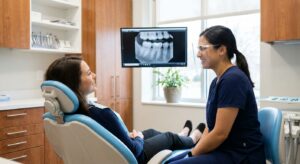
The first visit after an injury usually includes a limited emergency exam and X-rays. Most dental plans pay for these as diagnostic services. At Moores Chapel Dentistry, digital X-rays and an intraoral camera help show the extent of a crack or fracture, and those images also become part of the documentation your insurer may want to see.
Bonding and fillings for chipped teeth
A small chip is often repaired with tooth-colored bonding or a filling. When the repair restores a broken tooth, plans usually treat it as a basic restorative service rather than a cosmetic one. Moores Chapel Dentistry offers dental bonding and fillings as part of its restorative care.
Splints for loosened or displaced teeth
When a tooth is pushed out of place or loosened, the dentist may reposition it and hold it steady with a splint attached to the neighboring teeth. The American Academy of Pediatric Dentistry’s guidance on fractures and luxations describes how splints are used to stabilize injured teeth during healing. Coverage for splinting varies, so ask whether your plan lists it as a basic or major service.
Trauma splints are different from occlusal splints. An occlusal splint, sometimes called a night guard, is a custom appliance designed to protect teeth from grinding and clenching (bruxism). Plans often treat a bite guard for bruxism under separate rules, and some exclude it, so do not assume an injury claim and a grinding claim are handled the same way.
Root canals after trauma
A hard blow can damage the nerve inside a tooth even if the outside looks fine. If the pulp is injured, a root canal may be needed to save the tooth. Most dental plans cover root canals as basic or major services. Medical coverage may apply only when the injury is tied to a larger accident claim.
Crowns for broken teeth
When a large part of a tooth breaks off, a crown may be needed to restore full function. Crowns are usually a major service with a lower coverage percentage and are often subject to waiting periods on newer plans.
Extractions and replacement
If a tooth cannot be saved, it may need to be removed. Simple extractions are usually basic services, and surgical extractions are often major services. Replacing the tooth afterward, whether with a bridge, partial, or implant, is usually a major service. Coverage depends on whether the plan views the replacement as functional, which is more likely to be covered, or cosmetic, which is often excluded.
What should you do right after a dental injury?
Speed matters for some injuries more than others. A knocked-out permanent tooth is one of the most time-sensitive dental emergencies, and the StatPearls review notes that prompt replantation gives the tooth the best chance of survival. The American Dental Association’s consumer site, MouthHealthy, also offers first-aid guidance for knocked-out and broken teeth.
Practical steps:
- Pick up a knocked-out tooth by the crown, not the root, and keep it moist
- Save any broken pieces of tooth
- Rinse your mouth gently with warm water
- Use a cold compress on the outside of the face for swelling
- Seek emergency care in a hospital first if you have a jaw injury, trouble breathing, heavy bleeding, or a head injury
Moores Chapel Dentistry provides emergency dental care for patients of all ages, so families in Charlotte, Arlington, Belmont, and Paw Creek can have injuries evaluated and treated without being sent to several offices.
How do you check your coverage before treatment?
Insurance language can feel overwhelming, but a few documents answer most questions.
Review your policy details
Start with your summary of benefits or evidence of coverage. Look for:
- How the plan defines basic and major services
- Any clauses about accidents or medically necessary treatment
- Your deductible and annual maximum
- Waiting periods for basic and major services
- Exclusions for cosmetic work or missing teeth
Note the coverage percentages for each category. If something is unclear, call the member services number on your insurance card.
Confirm in-network status
Using an in-network dentist lowers your cost because the office has agreed to the plan’s negotiated fees. Moores Chapel Dentistry is in network with Aetna, Cigna, and Delta Dental. The practice also accepts Ameritas, Assurant, Blue Cross Blue Shield, Humana, Medicaid, MetLife, Mutual of Omaha, Principal, TeamCare, TruAssure, United Concordia, UnitedHealthcare, and Unum. Accepting a plan is not the same as being in network, so ask how your specific plan will be billed.
Ask about preauthorization
Some major procedures need approval before treatment. To keep that process moving:
- Request a written treatment plan with cost estimates
- Make sure X-rays and clinical notes go with the request
- Ask whether your plan requires a second opinion
- Get the approval or estimate in writing
A predetermination is not a guarantee of payment, but it shows what the plan expects to cover.
How are dental injury claims filed?
Correct claim filing keeps payment from being delayed or denied.
Dental vs. medical claim forms
Dental claims use dental procedure codes and dental claim forms. Medical claims use medical procedure and diagnosis codes on medical forms. Sending a claim to the wrong insurer, or on the wrong form, is a common reason claims come back. If both plans may apply, ask your dental office which insurer should be billed first.
Supporting documentation
Strong documentation helps a reviewer understand why treatment was needed. Useful records include:
- X-rays and intraoral photos
- Clinical notes describing the injury
- Emergency room or physician records, if you were seen there
- A short description of how and when the injury happened
Avoiding common errors
Double-check:
- Patient name, date of birth, and subscriber ID
- That the accident date is listed when the plan asks for it
- That claims are submitted within the insurer’s deadline
If a claim is denied, ask for the reason in writing. Many denials can be appealed with additional records.
Does accident insurance cover dental injuries?
Some people, including students and athletes, have accident insurance in addition to dental and medical coverage. These policies may pay for dental trauma, but the terms vary widely. A study of dental trauma coverage in student accident insurance looked at how these policies handle tooth injuries and found that coverage details and limits differ between policies. If you have an accident policy through a school, sports league, or employer, read its dental section and check filing deadlines, because accident claims often have strict time limits.
What are the common limits and exclusions?
Knowing what is not covered matters as much as knowing what is.
Cosmetic vs. functional treatment
Services done only for appearance, such as teeth whitening or veneers, are usually excluded. Repairs that restore a broken tooth’s function typically qualify. If you chip a front tooth, ask your insurer whether the repair is coded as restorative before you choose a final option.
Annual maximums and waiting periods
Most dental plans cap how much they pay each year, and some apply waiting periods to basic and major services. A serious injury can use up a large share of a yearly maximum, so ask your dental office whether treatment can be phased, and what each phase will cost.
Preexisting conditions and missing teeth
Some dental plans limit coverage for teeth that were missing before you enrolled. The American Dental Association provides general information on how dental benefit plans are structured and the limits patients may encounter. If an injury causes a tooth loss after enrollment, that is usually treated differently from a tooth that was already missing.
How can you prevent dental injuries and protect your coverage?
Prevention is the one part of dental injury care you control in advance. A mouthguard is the most common form of protection for anyone who plays contact sports or activities with a risk of falls. Mouthguards come as stock, boil-and-bite, or custom guards designed from impressions of your teeth. MouthHealthy offers consumer guidance on mouthguards and sports safety, and the National Institute of Dental and Craniofacial Research publishes general information about oral health.
Coverage for sports guards and night guards for bruxism varies by plan. Ask your insurer before ordering one, and ask your dentist which type suits your activity level and bite.
Regular checkups and cleanings also help, because a dentist can spot weakened teeth, large old fillings, or cracks that are more likely to break during an injury. Moores Chapel Dentistry offers routine exams, cleanings, and preventive care for the whole family, so small problems can be addressed before they become emergencies.
How do you get the most from your benefits?
A few habits make insurance work better after an injury:
- Ask the billing team to confirm coverage before major treatment
- Have them coordinate dental and medical claims when both may apply
- Appeal denials promptly with added documentation
- Use a flexible spending account or health savings account for costs insurance does not cover, if you have one
- Keep copies of every estimate, claim, and explanation of benefits
Before your appointment, have your member ID, group number, and the date and cause of the injury ready. Ask about your deductible, your remaining annual maximum, and whether any part of the plan needs preauthorization.
The bottom line on dental injury coverage
Most dental injury treatment is covered by insurance in some form, with dental plans handling the majority of tooth repairs and medical or accident plans stepping in when the injury is part of a larger accident or health issue. Your share depends on the service category, your deductible, your annual maximum, and whether your dentist is in network. For Charlotte families, getting the injury examined promptly and having benefits checked during the same visit is the most reliable way to protect the tooth and avoid unexpected bills.